
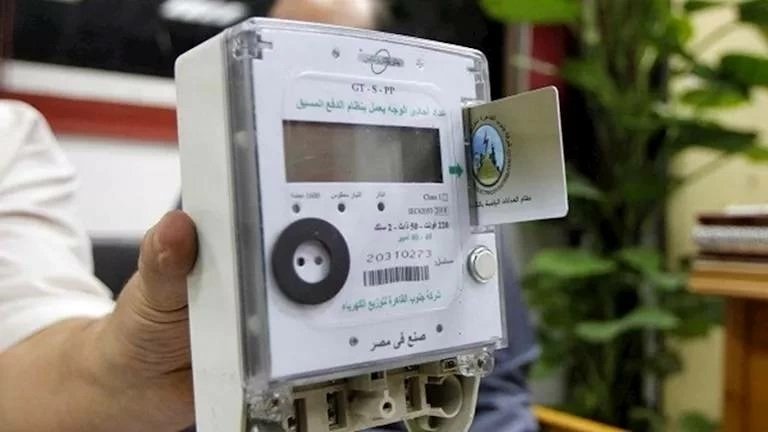

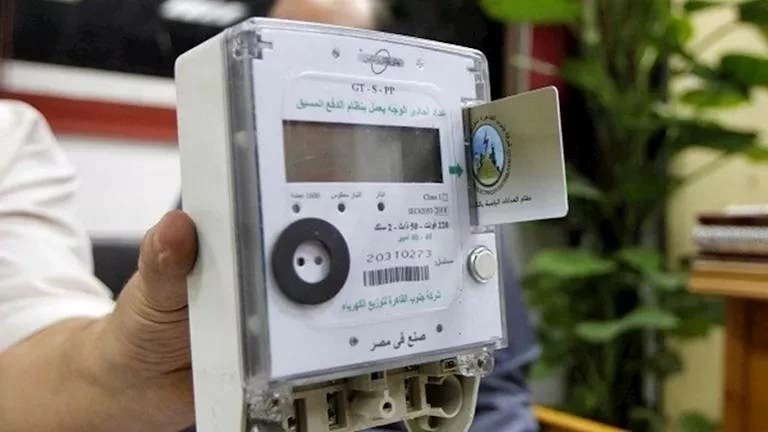
The Ministry of Electricity and Renewable Energy has begun taking the necessary steps to implement the facilitations announced by Prime Minister Mostafa Madbouly during “Egypt Forum 2026”.
These measures include a 30 percent reduction on electricity bills for “coded meters” (prepaid meters for informal or unregistered housing units) issued prior to 2024, effective for a period of six months.
An official source at the Ministry of Electricity confirmed that the reduction will be applied automatically during future top-ups of these coded meters, once the decision takes effect, requiring no further action from the eligible subscribers.
The source further explained that the ministry is currently reconfiguring the calculation mechanism for the price per kilowatt-hour to align with the mandated reduction.
Consequently, the price per kilowatt-hour will decrease from LE2.74 to LE1.92 following the application of the announced discount.
Why the reduction?
Previously, the Prime Minister explained that the decision to lower the costs associated with “coded” electricity meters is intended to strike a balance between regularizing the status of consumers—by offering them direct concessions—and safeguarding the state’s rights.
This government initiative aims to encourage the integration of properties and buildings into the official electricity grid through more flexible procedures, which in turn helps curb unauthorized practices and informal, unregulated utility connections.
Coded Meters vs. Conventional Meters
A “coded meter” differs from a conventional, legally authorized electricity meter in terms of its legal status and billing mechanism.
A coded meter is installed in properties or buildings that are unauthorized or lack proper licensing; it is assigned a code number rather than being registered in the name of the property owner.
Its purpose is to measure electricity consumption and bill the consumer for the energy used, without the installation serving as legal proof of ownership, possession, or the formal regularization of the property’s status.
In contrast, a conventional, legally authorized meter is registered in the subscriber’s name in accordance with official procedures.
Billing for such meters is based on the tariff established for the specific category of use—including the tiered pricing structure (brackets) applied to residential consumption—in compliance with the governing regulations.