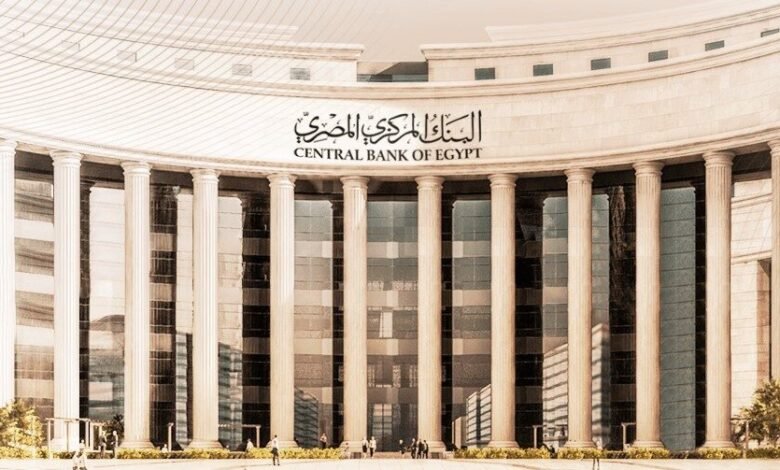

The Central Financial institution of Egypt (CBE), in its capability as chair of the African Monetary Stability Report Working Group (AFSR-WG), has led the preparation and publication of the primary African Monetary Stability Report (AFSR), marking a significant milestone in efforts to strengthen macroprudential oversight and monetary stability cooperation amongst African central banks.
The report was ready underneath the umbrella of the African Monetary Stability Committee (AFSC) and represents the primary continent-wide evaluation of economic stability, offering a unified framework for monitoring monetary dangers, enhancing transparency and supporting coordinated coverage responses throughout Africa.
The publication follows the institution of the AFSC, which was proposed by CBE Governor Hassan Abdalla to the Affiliation of African Central Banks (AACB) in 2024 to strengthen cooperation on monetary stability points throughout the continent.
The committee is supported by two specialised working teams. The primary is chargeable for getting ready the African Monetary Stability Report, whereas the second focuses on the event and implementation of macroprudential insurance policies. An AFSC Secretariat coordinates the work of each teams and facilitates cooperation amongst African central banks.
Cairo hosted the committee’s inaugural assembly in December 2024, formally launching the continent-wide initiative.
The CBE mentioned the report comes at a time of rising challenges dealing with monetary methods worldwide, underscoring the necessity for built-in frameworks to establish and monitor present and rising dangers whereas strengthening the usage of macroprudential coverage instruments to safeguard monetary stability and help sustainable financial progress.
Past its analytical function, the report is meant to reinforce transparency by offering a complete evaluation of economic stability throughout Africa and to function a dependable reference for traders, policymakers and worldwide monetary establishments.
The inaugural report covers 46 African international locations, representing round 85% of the continent’s international locations, 84% of its inhabitants and roughly 90% of its gross home product (GDP).
It was ready with contributions from monetary stability specialists representing seven African central banks: the Central Financial institution of West African States (BCEAO), the Financial institution of Central African States (BEAC), the Nationwide Financial institution of Rwanda, the Financial institution of Mauritius, the South African Reserve Financial institution, the Financial institution of Mozambique and the Central Financial institution of Eswatini.
Amongst its key findings for 2024, the report highlighted continued progress by African central banks in strengthening monetary stability frameworks, with a median implementation price of 61% of worldwide greatest practices.
Africa’s Monetary Stability Index reached 0.55, supported by improved banking sector efficiency. Regardless of continued publicity to exterior and home shocks, the continent maintained common financial progress of three.2%.
The report additionally confirmed that the whole belongings of Africa’s monetary system reached roughly 126% of the continent’s GDP. Banking sector belongings accounted for 80% of GDP, whereas the non-banking monetary sector represented 46%.
The banking sector remained the dominant element of Africa’s monetary system, accounting for 63% of whole monetary belongings, in contrast with 37% for the non-banking monetary sector.
In keeping with the report, African banks continued to keep up monetary soundness indicators above the Basel Committee’s regulatory necessities, with a median capital adequacy ratio of 19.7%, supported by sturdy liquidity protection ratios in each native and foreign currency.
The report additionally highlighted the increasing function of African capital markets in monetary intermediation, with inventory market capitalisation reaching 56% of the continent’s GDP.
It additional famous that Africa continues to guide globally in cell pockets adoption, whereas making important progress in monetary digitalisation and the event of regional fee methods, strengthening monetary inclusion and cross-border monetary integration.